
Field Trips
Join us on a field trip
GeoGulf conferences have a history of hosting “can’t miss this field trips”. For the spring of 2027, participants will have the hard choice of two incredible one day field trips that will be on Saturday and Sunday April 17-18.
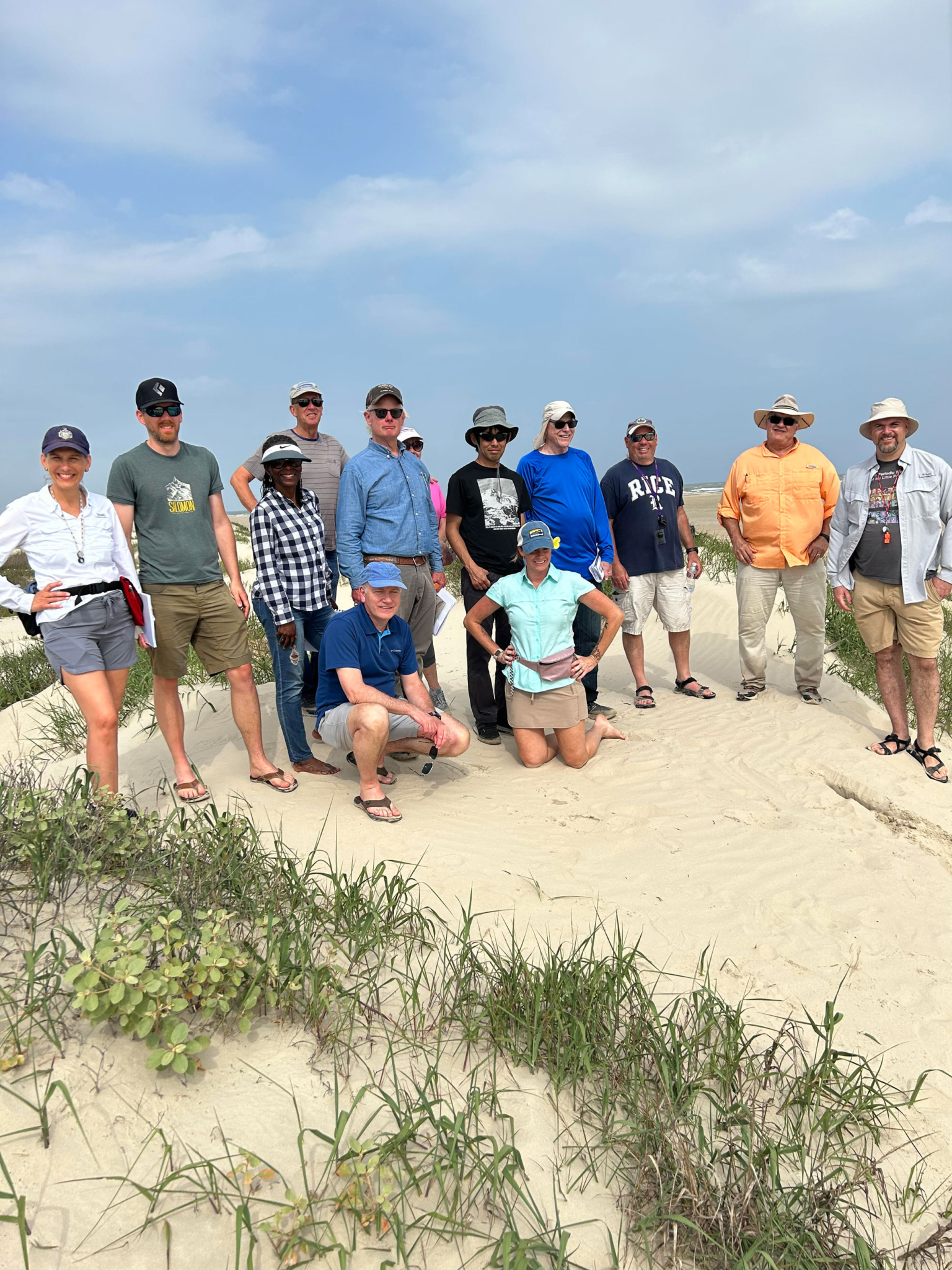
Field Trip 1: Texas Coastal Processes Brazos River Delta to Galveston Island(one day) Leader: Eric Scott (Rice University)Saturday April 17, 8 am to 5:30 pm. Participants meet the trip at the beach first stop.The southeast Texas coastline from the Brazos River Delta and along the barrier islands of Follets and Galveston Islands provides locations to observe coastal sedimentological processes and their resultant deposits. Led by Erik Scott (Rice University and Vecta Oil & Gas), the trip will look at the various processes that shape the coastline and the characteristics of the sediments that are deposited. The trip will observe processes on the beach, recent erosion, various styles of washover deposits of delta systems, and sand ridges.
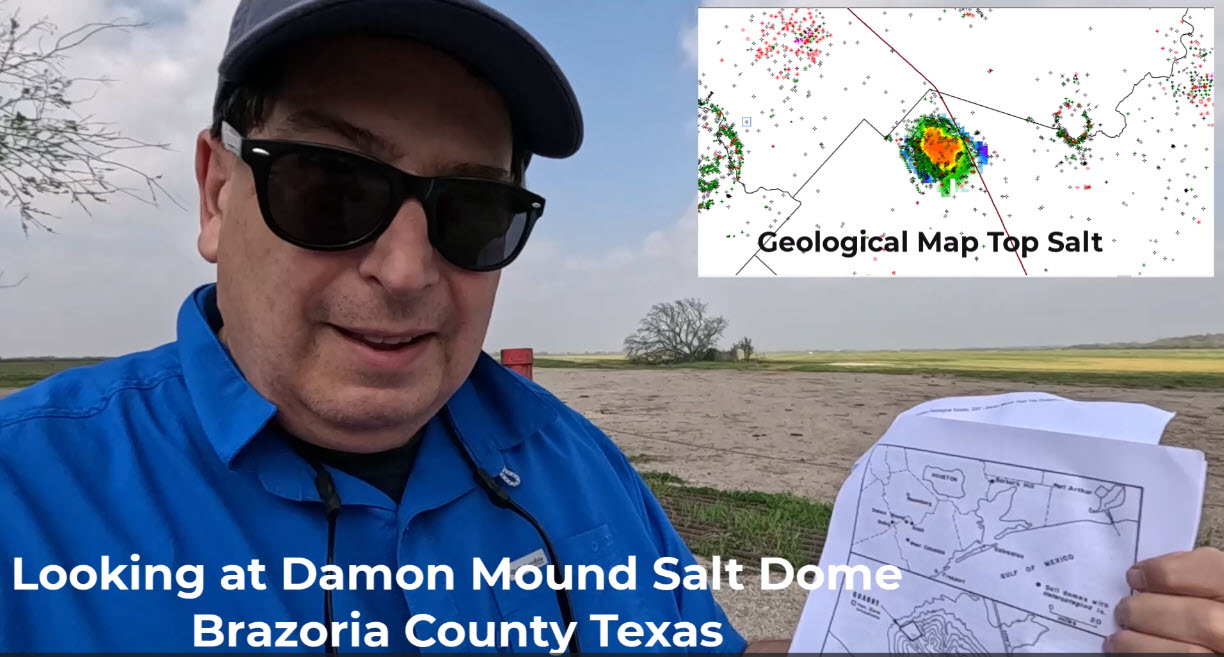
Field Trip 2: Visit Damon Mound Salt Dome, Brazoria County Texas, the West Columbia oil field and Varner-Hogg Museum Petroleum History (one day)Saturday April 17, 9:00 am to 6:00 pm. Participants meet at the Houston Museum of Natural Science Sugar Land Museum. The leaders are Charles Sternbach and Linda Sternbach with Jeff Spencer.
Field Trip 1:
Texas Coastal Processes
Brazos River Delta to Galveston Island
Sites ~60 miles south of Houston along ~35 miles of the SE Texas coastline provide excellent locations to observe coastal sedimentological processes and their resultant deposits. This section of the Texas coast is characterized by barrier islands separated by tidal inlets and river outlets. The larger, sand-ridge cored, prograding Galveston Island contrasts with the smaller, wash-over dominated, retreating Follets Island and is separated by the stable, long-lived San Luis Pass that exhibits well developed flood and ebb tide delta systems. The Brazos River empties into the Gulf of Mexico to the south of Follets Island and forms a wave-dominated delta system. The Brazos River Delta has undergone significant changes due to human intervention and demonstrates the dynamic nature of sediment movement and deposition along the coast. This section of the coast provides insight into the steady lower energy background processes of sediment movement and the higher energy short term events, and the resultant reservoir characteristics of clastic coastal deposits from these different mechanisms. The understanding gained from these modern systems can be applied as an analog for subsurface investigations along the Gulf Coast and elsewhere.
TRIP ITINERARY
Drive to Freeport
Stops 1 through 4 runs from Bryan Beach Park to the Brazos River Delta.
Stop 1 – Overview of beach environments and processes
Stop 2 – Washover apron
Stop 3 – Brazos River Delta
Lunch will be at the Brazos River Delta
Drive to Follets Island
Stops 5 and 6 are on Follets Island
Stop 4 – Washover fan system
Stop 5 – Tidal inlet
Drive to Galveston Island
Stops 7 to 9 are on Galveston Island
Stop 7 – Coastal dunes
Stop 8 – Sand ridges
Stop 9 – Recent foreshore erosion / coastal modifications
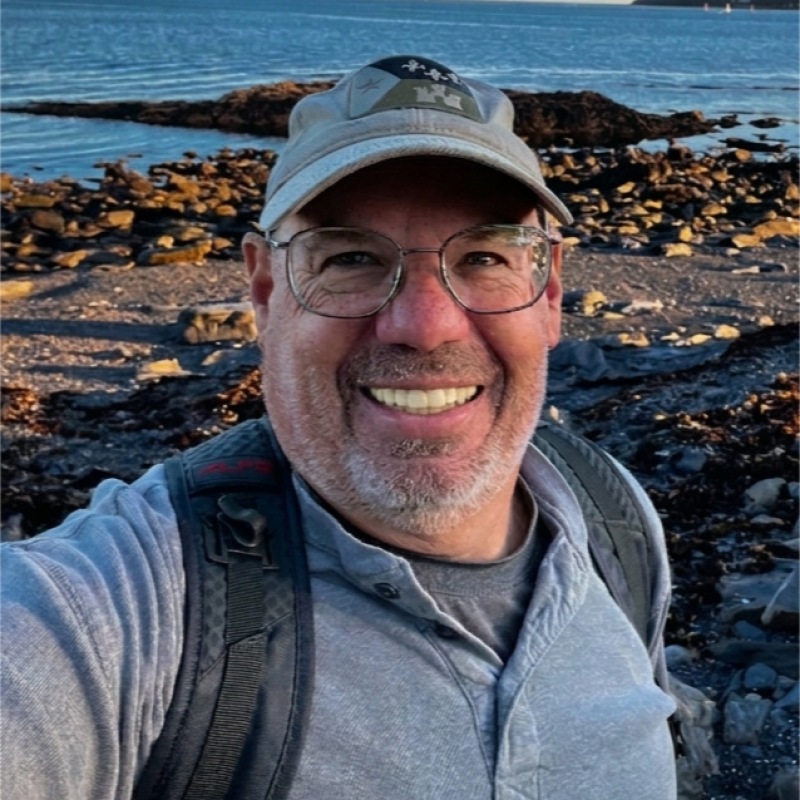
The Field Trip leader Erik D. Scott has worked with both major and independent oil and gas companies on a wide variety of exploration and production projects as a senior geoscientist and sedimentology specialist in the onshore and offshore Gulf of Mexico, North Sea, offshore West Africa, Southeast Asia, North and South America and the eastern Mediterranean. He is the Principal Geologist/Sedimentologist for E&P Geoscience, LLC, working on hydrocarbon extraction and carbon sequestration activities and is an Adjunct Professor at Rice University where he teaches seismic interpretation, clastic sedimentology and leads field trips in the US and internationally. Erik received a Ph.D. in Geology from Louisiana State University, studying under Dr. Arnold H. Bouma, with whom he investigated the influence of tectonics and structure on deep water sedimentation based on the turbidite outcrops in the Karoo Basin of South Africa.
The Field Trip leader Erik D. Scott has worked with both major and independent oil and gas companies on a wide variety of exploration and production projects as a senior geoscientist and sedimentology specialist in the onshore and offshore Gulf of Mexico, North Sea, offshore West Africa, Southeast Asia, North and South America and the eastern Mediterranean. He is the Principal Geologist/Sedimentologist for E&P Geoscience, LLC, working on hydrocarbon extraction and carbon sequestration activities and is an Adjunct Professor at Rice University where he teaches seismic interpretation, clastic sedimentology and leads field trips in the US and internationally. Erik received a Ph.D. in Geology from Louisiana State University, studying under Dr. Arnold H. Bouma, with whom he investigated the influence of tectonics and structure on deep water sedimentation based on the turbidite outcrops in the Karoo Basin of South Africa.
Field Trip 2:
Houston Salt Dome
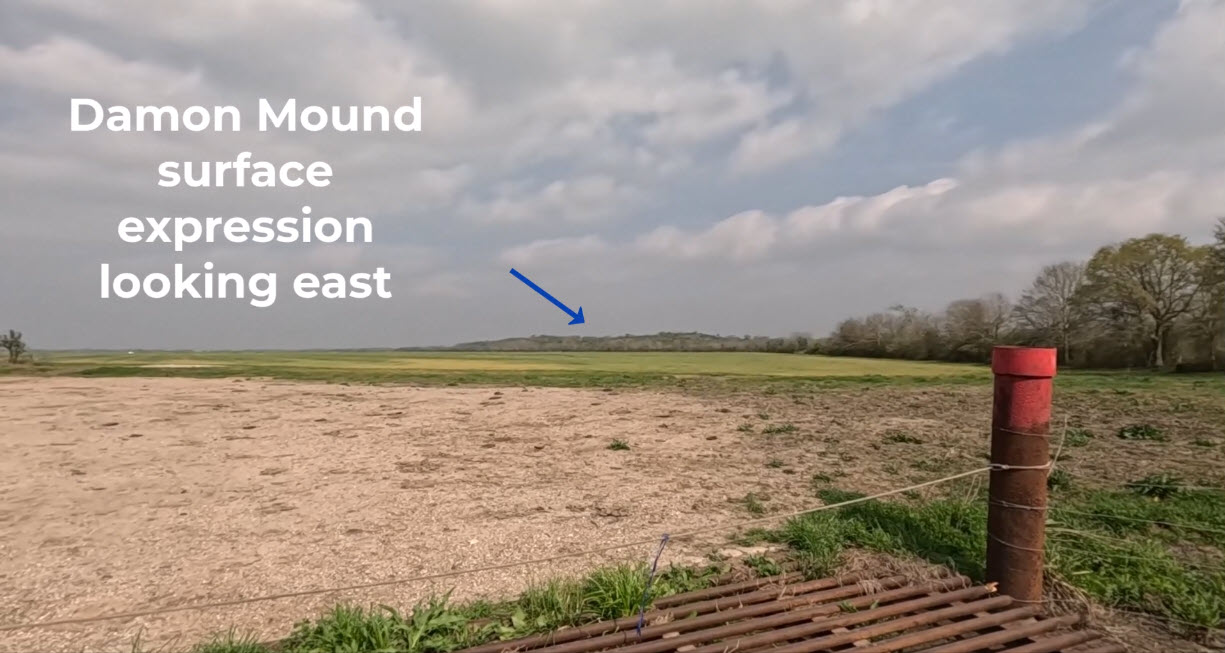
Learn about salt domes in the morning at the Houston Museum of Natural science Sugar Land Museum. The museum features a large screen movie inside a salt mine, and scientific information on famous Gulf Coast salt domes.Then the Field Trip goes on the road! We drive in vans to Brazoria County, south of Houston, to see a real Gulf Coast salt dome at Damon Mound. While the salt dome is beneath our feet and not exposed at the surface, we will have an onsite poster session on how the dome traps oil. The surface has limestone rocks to examine. After a picnic lunch outdoors, we enter the Varner-Hogg Museum, the former summer home of Ima Hogg of River Oaks fame. The Varner-Hogg site has a museum of Houston 1900-1940s history and photos of the oil boom days of West Columbia field. There is a gift shop with special oil history items to buy.
Field Trip Agenda
Date: April 17 saturday before the conference.
The plan is have attendees drive to the HMNS museum in sugarland and park in museum parking lot by 9 am.
Address: 13016 University BlvdSugar Land, TX 77479
Then we do a salt overview inside the museum till 10:30 am. There is an immersive movie inside a salt mine which we think is Hockley . There are many salt dome models and displays in the museum.
Then people get in vans and we drive 30 minutes to Damon Mound.
11am The damon mound salt dome makes a 130 foot hill visible from the road. We can see if we can get permission to access the top of the dome. We can get close to the dome on small roads.
1pm Then we can have picnic lunch at the warner hogg plantation and people can see the historical museum showing salt dome drilling .
Ima Hogg's father drilled the nearby field called west columbia to make his fortune. Ima Hoggs house is open for tours. The family lived there in the 1920s to 1950s. They started as cattle ranchers but made a fortune in oil production.
4 pm We may be able to see a large oil pumper by the side if the road and get selfies and get group photos.
The trip will end by 5 pm and we will return to the HMNS museum parking lot.